Travel nurse housing in Montréal: hospitals, costs and where to live

Sam
November 27, 2026

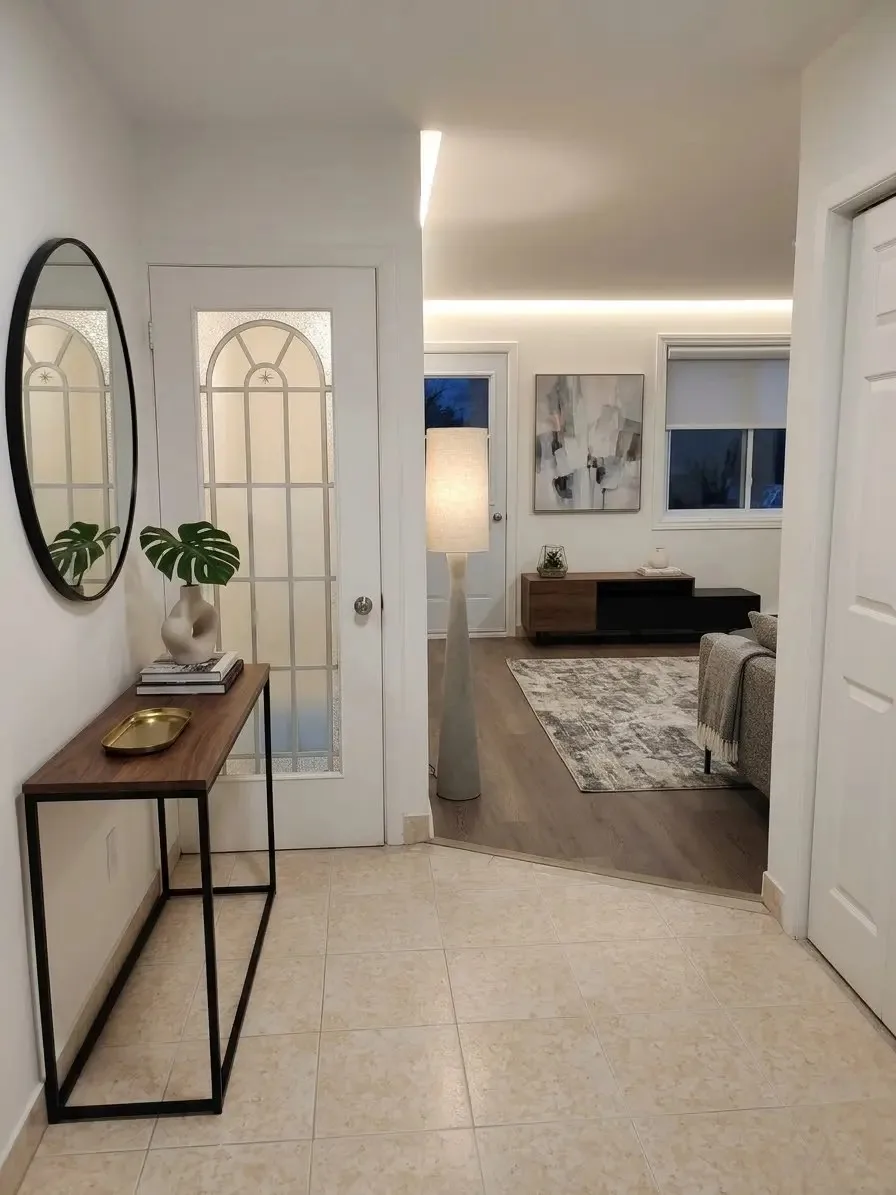
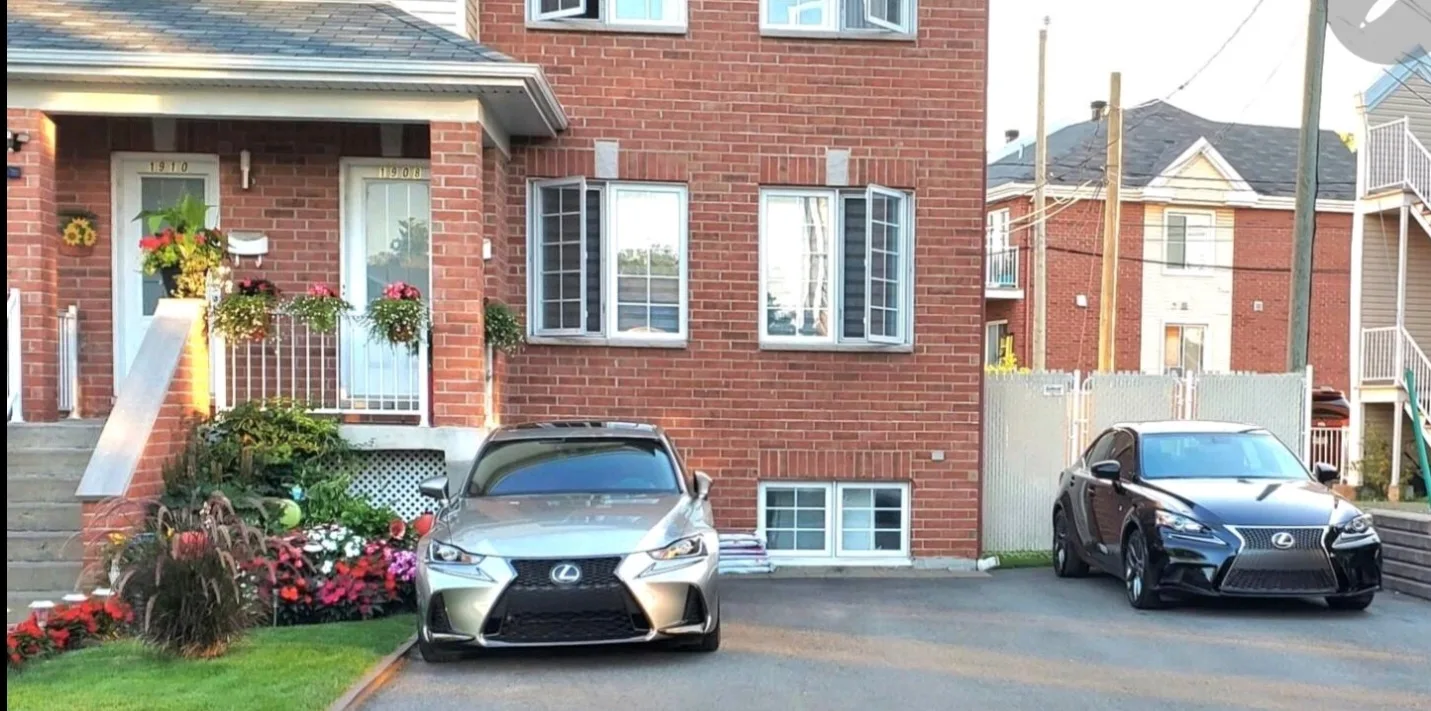
Travel nurse housing in Montréal usually means a furnished home rented by the month, close to your hospital and to a métro line. As of November 27, 2026, TNH had 6 live homes in Montréal with a median monthly rate of CA$3,250, so it pays to start your search early.
This guide covers the hospitals and health facilities in the city, what housing costs and why, how to choose an area relative to your workplace, getting around without a car, the Quebec rules that matter for a monthly stay, and how to book a home on TNH.
Key takeaways
- As of November 27, 2026, TNH listed 6 live homes in Montréal with a median monthly rate of CA$3,250.
- Several of the facilities on TNH's Montréal list are in the central part of the island, so a home near a métro line often matters more than the exact neighbourhood.
- Quebec's tourist accommodation registration applies to rentals of 31 consecutive days or less; stays of 32 consecutive days or more fall outside it.
- A regular STM monthly pass costs $110 and covers bus, métro, train, REM and the 747 airport shuttle within Zone A, the agglomeration of Montréal.
- Nurses licensed in another province still need a separate Quebec practice permit from the OIIQ, and licensed practical nurses apply through the OIIAQ.
- On TNH you can search by your assigned hospital, see each home's distance to nearby hospitals and message hosts directly.
Which hospitals will you be working near in Montréal?
Montréal is home to some of the largest teaching hospitals in Quebec. Santé Québec's list of Montréal establishments includes the CHUM, CHU Sainte-Justine, the McGill University Health Centre (CUSM), the Institut de cardiologie de Montréal, Institut Philippe-Pinel and the five Montréal CIUSSS: Est, Ouest, Centre-Ouest, Centre-Sud and Nord.
On TNH, homes are matched to these Montréal facilities. Each link shows furnished homes near that site:
- CHUM – Hôpital Saint-Luc
- Hôpital neurologique de Montréal
- McGill University Health Centre – Montréal Chest Institute
- Hôpital courte durée Place Dupuis
- Villa Medica
- Centre d'hébergement du Manoir-de-l'Âge-d'Or
- CLSC de la Visitation et GMF universitaire des Faubourgs
- CLSC Sainte-Catherine et GMF universitaire des Faubourgs
If your assignment is on the north side of the island, the Nord-de-l'Île CIUSSS runs Hôpital du Sacré-Cœur-de-Montréal, Hôpital Jean-Talon, Hôpital Fleury and two mental health hospitals, Rivière-des-Prairies and Albert-Prévost. Confirm the exact site on your contract before you book, since some organizations run several buildings across the city.
What does travel nurse housing in Montréal cost?

As of November 27, 2026, the median monthly rate for the 6 live homes on TNH in Montréal was CA$3,250. That is a TNH figure for furnished homes rented by the month, and with only a handful of listings, individual prices can sit well above or below it.
For context, the wider rental market is cheaper on paper but not comparable. In CMHC's 2025 Rental Market Report, the average 2-bedroom purpose-built rental in Montréal was $1,346 a month, and the average rent new tenants paid for a 2-bedroom rose from $1,235 in 2022 to $1,644 in 2025. Those are unfurnished, long-term leases.
| Type of housing | Monthly figure | Source |
|---|---|---|
| Furnished monthly home on TNH (median) | CA$3,250 | TNH, November 27, 2026 |
| Average 2-bedroom purpose-built rental | $1,346 | CMHC 2025 |
| Average 2-bedroom rent for new tenants | $1,644 | CMHC 2025 |
| Average 2-bedroom rented condo | $1,826 | CMHC 2025 |
A furnished monthly home bundles things a long-term lease does not: furniture, kitchen basics, and often utilities and internet. You also avoid a year-long lease for a 13-week assignment. When you compare homes, ask each host what the rate includes so you are comparing the full monthly cost.
How should you choose an area relative to your hospital?
Many of the facilities on TNH's Montréal list are in the central part of the island, around downtown and the nearby east-central districts. That gives you a choice between walking distance and a short métro ride.
A few questions help narrow it down:
- Can you walk or take one métro line? After a 12-hour shift, a single direct trip beats a transfer, especially in winter.
- What does the commute look like at shift change? Check the route for both your start time and your finish time, including late at night.
- How quiet is the street? Central Montréal is lively. If you work nights and sleep days, ask the host about street noise, blackout curtains and nearby bars or construction.
- Is there a grocery store and pharmacy close by? Short errands matter when you have little time off.
- Do you need parking? Street parking in central areas can be limited and is affected by winter snow clearing, so ask the host directly if you are bringing a car.
Areas such as the Plateau and the downtown core put you close to central hospitals and transit, while neighbourhoods further out are often calmer. On TNH every home shows its distance to nearby hospitals, which makes these trade-offs easier to see.
How do you get around Montréal without a car?

Many travelers in Montréal manage without a car. The STM runs the métro and bus network, and a regular monthly pass costs $110. It covers bus, métro, train, the REM and the 747 airport shuttle within Zone A, which is the agglomeration of Montréal only.
If you live on the island and work on the island, Zone A is usually all you need. If your home or hospital is in Laval or on the South Shore around Longueuil, you will need a wider pass, which costs more, so check the current fare on the STM website before you commit to a home off the island.
A few practical points:
- The 747 shuttle connects the airport with downtown and is included in the Zone A monthly pass.
- Winter is long. Living near a métro entrance means less time on icy sidewalks after a shift.
- If you plan to drive, ask the host about parking and snow removal before you book.
Do Quebec rental rules affect a monthly stay?
Quebec treats short stays and longer stays differently, and the line is 31 days. Under the Tourist Accommodation Act, any paid rental offered for 31 consecutive days or less must be registered with the CITQ, Quebec's tourist accommodation body.
Rentals of 32 consecutive days or more are not covered by the Tourist Accommodation Act, and no registration is required. Most travel nurse stays are a month or longer, so this is the range most furnished monthly homes on TNH are aimed at.
This matters if your dates are tight. If you only need a few weeks, for example between assignments, a host may not be able to offer that stay without registration. Agree on your exact dates in writing, and ask the host early if you think you might need to extend.
What do you need to sort out before working in Quebec?
Housing is easier to lock in once your paperwork is clear. A few Quebec-specific steps are worth knowing about early.
- Nursing permit. Even if you hold a licence in another province or territory, you must apply for a Quebec practice permit from the OIIQ. You need an out-of-province authorization to practise with no restriction or limitation, and you must complete the OIIQ training course "Documentation infirmière : reflet de la pratique."
- French language. The OIIQ issues a regular permit if you meet the French-language requirements of the Charter of the French Language, or a temporary permit if you do not. The temporary permit is valid for one year and can be renewed up to three times.
- Licensed practical nurses. LPNs from other provinces apply through a separate regulator, the OIIAQ, under the Canadian Free Trade Agreement.
- Agency placements. Bill 10, which received assent on April 20, 2023, limits when Quebec health and social services bodies can use personnel placement agencies. If you are travelling through an agency, ask them how your placement fits these rules.
The OIIQ also notes that the permit on its own does not let you practise, so read its steps through to the end. Confirm the details directly with the OIIQ or OIIAQ, since requirements can change.
How do you book a furnished home on TNH?
Booking on TNH is direct. You deal with the host yourself, which makes it easier to ask the questions that matter for shift work.
- Search by your hospital. Use search homes near your hospital or browse furnished homes in Montréal. Each home shows its distance to nearby hospitals.
- Get your verified nurse badge. TNH staff check your licence, which gives hosts confidence when you reach out.
- Message the host directly. Ask what the rate includes, how check-in works for late arrivals, and about noise, parking and laundry.
- Confirm dates and terms in writing. Keep your stay at 32 days or more unless the host is registered for shorter stays.
If your agency arranges housing for you, it can post a housing request with your hospital, dates and budget, which alerts hosts near that hospital. Replies arrive in the agency's messages. With a small number of live homes in Montréal, starting early gives you the most choice.
A good home in Montréal is one that makes your commute short and your days off restful. Start by finding your hospital, then compare the homes nearby and message a host with your dates. You can begin with furnished homes in Montréal.
Frequently asked questions
How much is travel nurse housing in Montréal?
As of November 27, 2026, the median monthly rate for furnished homes on TNH in Montréal was CA$3,250, across 6 live homes. Prices vary by size, location and what is included. Ask each host whether utilities and internet are part of the rate.
Do I need a Quebec nursing permit if I'm licensed in another province?
Yes. The OIIQ requires nurses licensed elsewhere in Canada to apply for a separate Quebec practice permit, including completing its documentation training course. Licensed practical nurses apply through the OIIAQ instead.
Can I rent a furnished home in Montréal for less than a month?
It depends on the host. In Quebec, paid rentals of 31 consecutive days or less must be registered with the CITQ, while stays of 32 consecutive days or more are not subject to that registration. Ask the host before you book a short stay.
Do I need a car for a Montréal assignment?
Many travelers do not. A regular STM monthly pass costs $110 and covers bus, métro, train, REM and the 747 airport shuttle within Montréal's Zone A. A car can help if your hospital is far from transit, but parking in central areas can be limited.
Which Montréal hospitals can I search near on TNH?
TNH lists Montréal homes near facilities including CHUM – Hôpital Saint-Luc, Hôpital neurologique de Montréal, the McGill University Health Centre – Montréal Chest Institute and Hôpital courte durée Place Dupuis, among others. You can also search by any hospital you are assigned to.
About Sam
Part-time healthcare hero, full-time Canadian explorer. 🍁 I’m Sam, and I’m passionate about helping travel nurses feel more at home wherever their next assignment takes them. From finding comfortable accommodation to settling into an unfamiliar city, I know that life on the road comes with its own adventures and challenges. Through Travel Nurse Houses, I share helpful insights, practical tips, and experiences that make life as a travel nurse a little easier. Whether you’re preparing for your next assignment, exploring a new province, or looking for a place to call home between shifts, my goal is to help you spend less time worrying about housing and more time enjoying the journey. Because every assignment should feel like more than just another stop. It should feel like an opportunity to explore, connect, and make yourself at home. 🏡🍁