
6 min read
How to Choose the Right Neighborhood for a Travel Nurse Assignment
Lisa Andersen
January 16, 2026
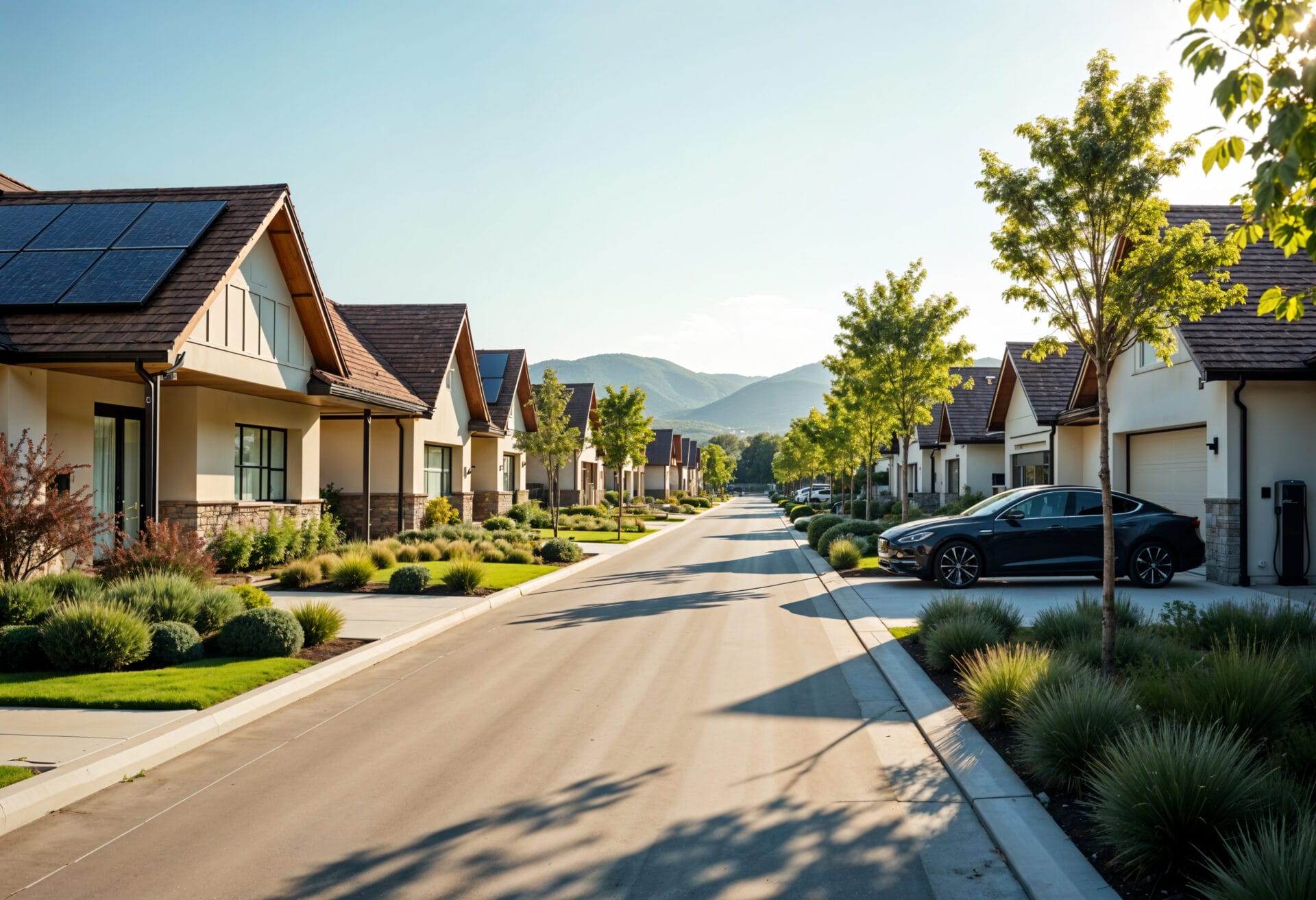
Finding housing for a travel nurse assignment goes far beyond picking a clean apartment or a furnished room.
The neighborhood you choose shapes your daily routine, your stress level, your safety, and even how much you enjoy the assignment overall.
Many travel nurses learn this the hard way. The house looks perfect online. The price is fair. The photos are attractive.
Then the assignment starts, and suddenly the commute is exhausting, the area feels unsafe at night, or simple errands turn into a chore. Over time, those small frustrations add up.
This guide breaks down how to evaluate neighborhoods the right way so you can make a confident decision before signing any lease.
 A comfortable house in the wrong neighborhood can still lead to a stressful assignment. On the other hand, a modest home in the right area can feel like a refuge after long shifts.
The neighborhood affects:
A comfortable house in the wrong neighborhood can still lead to a stressful assignment. On the other hand, a modest home in the right area can feel like a refuge after long shifts.
The neighborhood affects:
 A good neighborhood supports your routine. You should not need to drive long distances just to handle basic needs.
Helpful things to have nearby include:
A good neighborhood supports your routine. You should not need to drive long distances just to handle basic needs.
Helpful things to have nearby include:
 Some neighborhoods are naturally better suited for short term stays. Areas near hospitals, universities, or medical hubs tend to accommodate travel nurses more easily.
These neighborhoods often offer:
Some neighborhoods are naturally better suited for short term stays. Areas near hospitals, universities, or medical hubs tend to accommodate travel nurses more easily.
These neighborhoods often offer:
 Even if you drive, walkability still matters. Being able to walk safely can improve your quality of life.
Walkable neighborhoods allow you to:
Even if you drive, walkability still matters. Being able to walk safely can improve your quality of life.
Walkable neighborhoods allow you to:
Why the Neighborhood Matters More Than the House
A comfortable house in the wrong neighborhood can still lead to a stressful assignment. On the other hand, a modest home in the right area can feel like a refuge after long shifts.
The neighborhood affects:
- How safe you feel coming home late
- How much time you spend commuting
- How easily you can rest and recover
- How convenient daily life feels
Start With Commute and Location
Commuting should always be the first filter. Long or unpredictable drives drain energy fast, especially during back to back shifts. When evaluating a neighborhood, look beyond distance alone. Pay attention to how that distance behaves during real working hours. Important things to check:- Travel time during shift changes
- Traffic patterns on weekdays
- Alternative routes if roads are blocked
- Availability of public transportation if needed
Safety Goes Beyond Crime Statistics
Crime statistics are useful, but they are not enough on their own. Numbers do not always reflect how safe an area feels in real life. When judging safety, consider:- Street lighting at night
- Visibility of sidewalks and entrances
- Presence of people walking or driving nearby
- General upkeep of buildings and streets
Understand Noise Levels and Daily Activity
Noise is one of the most common issues travel nurses face after moving in. What feels quiet during a daytime tour may sound very different at night or early morning. Consider your work schedule honestly.- Will you sleep during the day
- Do you work nights or rotating shifts
- Are you sensitive to background noise
Check Access to Daily Essentials
A good neighborhood supports your routine. You should not need to drive long distances just to handle basic needs.
Helpful things to have nearby include:
- Grocery stores
- Pharmacies
- Gas stations
- Restaurants or food delivery options
- Laundry facilities if not in unit
Consider the Overall Lifestyle of the Area
Every neighborhood has a personality. Some areas are calm and residential. Others are lively and social. Neither is wrong, but one will suit you better. Ask yourself:- Do you prefer quiet evenings or active surroundings
- Do you want access to parks, gyms, or walking trails
- Do you enjoy local cafés or community spaces
Short Term Housing Compatibility
Some neighborhoods are naturally better suited for short term stays. Areas near hospitals, universities, or medical hubs tend to accommodate travel nurses more easily.
These neighborhoods often offer:
- Furnished rentals
- Flexible lease terms
- Landlords familiar with travel contracts
- Other healthcare professionals nearby
Parking and Accessibility Matter Daily
Parking is easy to overlook until it becomes a daily frustration. After long shifts, the last thing you want is to circle the block looking for a spot. Before committing, confirm:- Whether parking is included
- If parking is reserved or shared
- How far parking is from the entrance
- Safety of parking areas at night
Walkability and Transportation Options
Even if you drive, walkability still matters. Being able to walk safely can improve your quality of life.
Walkable neighborhoods allow you to:
- Take short walks to decompress
- Run small errands without driving
- Feel more connected to the area
- Reliability of routes
- Safety of stops
- Schedule alignment with your shifts
Evaluate the Area at Different Times
Neighborhoods change throughout the day. A calm afternoon does not guarantee a peaceful night. If possible:- Check the area during the evening
- Observe noise and activity levels
- Notice lighting and visibility after dark
Learn From Other Travel Nurses
Other travel nurses are one of the most reliable sources of information. Their experiences are practical and relevant. Ways to gather insight:- Ask coworkers where they stayed
- Read travel nurse housing forums
- Look for repeated patterns in reviews
Balance Cost With Comfort and Safety
Budget is important, but it should not override everything else. Extremely cheap housing often comes with trade offs. Ask yourself:- Will this location support rest and recovery
- Do I feel safe and comfortable here
- Will daily life feel easier or harder
Think About Mental and Emotional Well Being
Travel nursing is demanding. Your housing environment plays a role in how you cope. A good neighborhood can:- Reduce anxiety
- Improve sleep quality
- Support healthy routines
- Provide a sense of stability
Common Mistakes to Avoid
Many travel nurses make similar mistakes when choosing neighborhoods. Common pitfalls include:- Prioritizing price over safety
- Ignoring commute variability
- Underestimating noise impact
- Not checking parking arrangements
- Assuming all areas near hospitals are equal
How the Right Neighborhood Improves the Assignment
When you choose well, the benefits show up quickly.- You arrive at work less stressed
- You recover better between shifts
- Your routine feels manageable
- You enjoy the assignment more