How to Find Safe and Affordable Travel Nurse Housing in Remote Locations
TNH ADMIN
April 14, 2025

Travel nursing offers unique opportunities to explore new regions, gain diverse clinical experiences, and earn competitive pay. However, securing safe and affordable housing in remote locations remains one of the top challenges for many travel nurses in Canada. With limited rental options, unfamiliar neighborhoods, and fluctuating costs, finding the right place to live during your assignment can feel overwhelming.
In this comprehensive guide, we break down practical strategies and trusted resources to help you secure housing that is safe, budget-friendly, and perfectly suited to the unique demands of travel nursing in rural or underserved areas.Why Housing in Remote Locations Is a Challenge for Travel Nurses
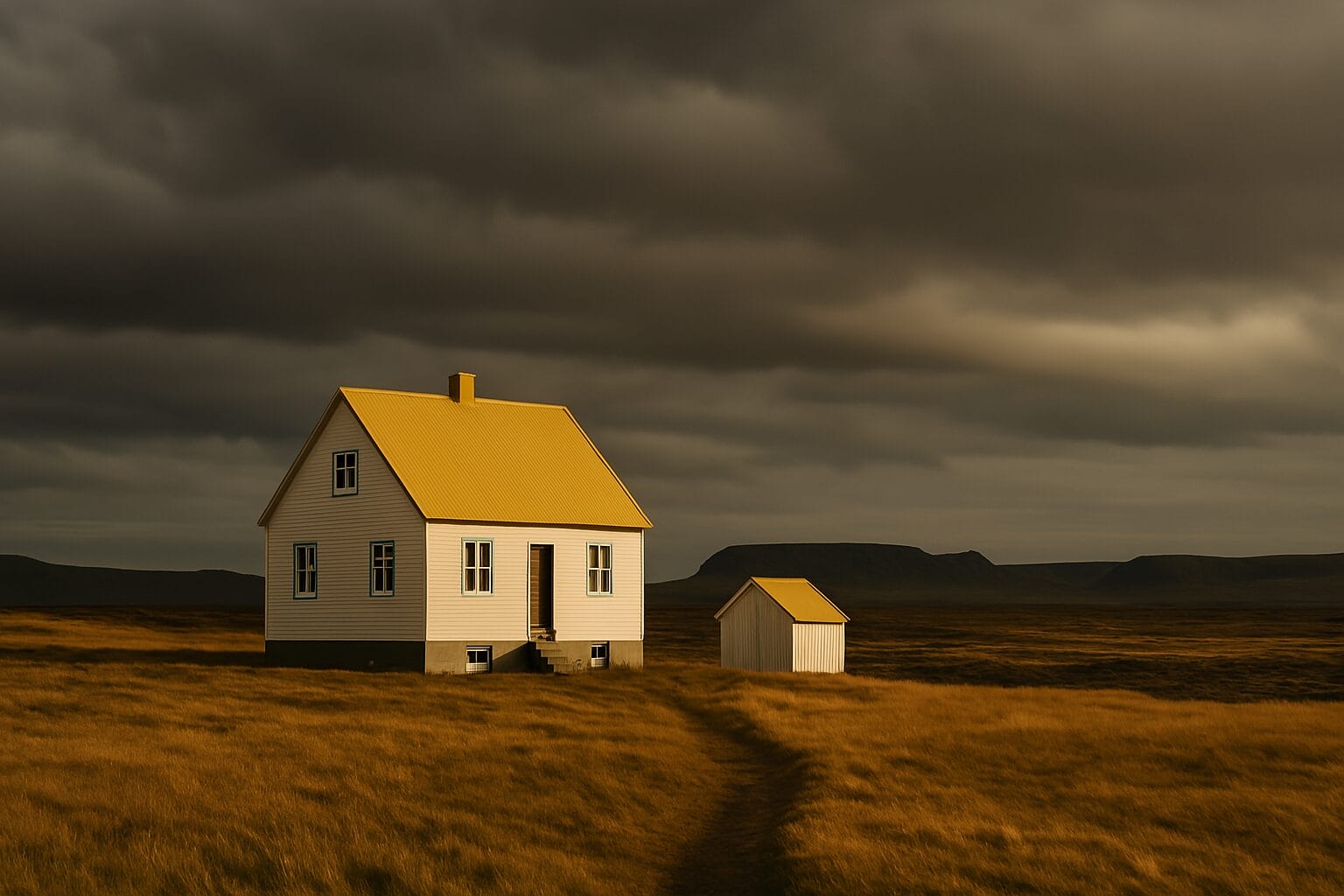 Remote locations in Canada, such as Northern Ontario, the Yukon, or rural Alberta, often lack the infrastructure and housing supply found in larger cities. This presents multiple challenges:
- Limited inventory of furnished short-term rentals
- Higher prices due to scarcity
- Fewer reviews or ratings of available rentals
- Lack of established travel nurse communities for referrals
- Safety concerns due to isolation or limited landlord vetting
Step 1: Start with Travel Nurse Housing Platforms
 Specialized housing platforms are tailored for healthcare professionals and often list safe, vetted properties:
1. Travel Nurse Houses
As the premier listing platform in Canada, Travel Nurse Houses specializes in connecting professionals across all sectors with high-quality Airbnb-style accommodations. What sets this platform apart is its commitment to safety, convenience, and ease of access for traveling professionals, including travel nurses, consultants, contractors, and remote workers. You’ll find pre-vetted hosts, detailed listings, and an interface designed to make it easy for professionals to find reliable mid- and long-term housing close to work locations. Travel Nurse Houses is quickly becoming the go-to resource for professional housing across Canada.
1. Furnished Finder
One of the most trusted platforms for travel nurses, Furnished Finder allows you to filter by distance from your facility, verify property owners, and connect directly with landlords. It also includes listings specifically designed for short-term medical housing needs. Furnished Finder also features a map view that makes it easy to assess proximity to your facility, which is especially helpful when relocating to an unfamiliar area. Listings include utilities information, pet policies, and lease flexibility, making it ideal for nurses with shifting schedules.2. Travel Nurse Housing
While this platform is more U.S.-focused, many of the insights and listing types can be applied when searching for properties in Canada. Additionally, the platform provides insight into what other nurses are looking for, helping you set expectations for your own search. Some listings also offer nurse testimonials, which can be valuable when gauging safety and landlord responsiveness.3. Airbnb
In rural areas, Airbnb might be your only option. Look for:- Superhosts with high ratings
- Long-term stay discounts
- Homes with self-check-in and clear safety reviews
4. Kijiji
This Canadian classifieds site can help you locate local, affordable rentals — but exercise caution and meet landlords in person when possible. Look for listings with detailed photos, verifiable contact info, and clear lease terms. Trust your instincts, and avoid sending deposits before seeing the property.Step 2: Contact Local Hospitals and Staffing Agencies
 Many rural hospitals maintain internal housing lists or partner with local landlords. This is a trusted source because the properties are often vetted by previous nurses or hospital staff.
- Contact the HR department or Travel Nurse Coordinator at your assigned facility.
- Ask your staffing agency for past nurses’ housing recommendations.
- Request placement in hospital-provided accommodations, which are often subsidized and safe.
Step 3: Use Facebook Groups and Nurse Communities
 Peer referrals are a goldmine. These online communities offer honest feedback and first-hand insights from fellow travel nurses. Try searching or posting in:
- Facebook Groups like "Travel Nurses Canada Housing" or "Travel Nurses in Remote Communities"
- Forums like AllNurses — which has a Canada-specific section
- Reddit’s r/nursing or r/TravelNursing — great for anonymous questions and niche tips
- What areas to avoid due to safety or lack of amenities
- Which hosts or rentals are nurse-friendly
- Hidden fees, commute tips, and community resources
Step 4: Prioritize Safety
 Remote living doesn’t have to be risky if you take the right precautions:
- Choose well-reviewed properties on trusted platforms
- Ask for virtual tours or video walkthroughs to spot red flags early
- Use apps to detect hidden cameras (like Fing or Hidden Camera Detector)
- Check the neighborhood on Google Maps, especially for lighting, road access, and proximity to emergency services
- Ask about snow removal, backup power, and cellular coverage if you're going to a Northern or isolated community
- Smoke and carbon monoxide detectors
- First aid kits
- Fire extinguishers
- Emergency exits and clear signage (especially in apartment complexes)
Step 5: Budget Smartly
 In remote regions, housing can be surprisingly pricey due to limited availability. To keep costs in check:
- Book monthly stays to get long-term discounts on Airbnb and Furnished Finder
- Share housing with another travel nurse or healthcare worker to split costs
- Track your housing stipend vs actual expenses — some nurses end up saving or spending more depending on region
- Use platforms that don’t charge commission fees (e.g. direct rentals or Furnished Finder)
- Check if your agency offers stipend bonuses for completing a full term without housing complaints or changes
Step 6: Keep a Housing Checklist
 Before committing to a rental, verify the following:
- Proximity to hospital (preferably within 30 minutes)
- Internet access & reliability (especially for charting or telehealth)
- Heating, insulation, and water pressure (important in remote climates)
- Washer/dryer access
- Kitchen essentials if you plan to cook
- Security features: locks, motion lights, or surveillance (optional)
- Contact availability for landlord or property manager
- Parking or snow-clearing arrangements
- Emergency numbers and hospital directions posted in the unit
Step 7: Document & Share Your Experience
 Help the next travel nurse by reviewing your stay:
- Leave reviews on Airbnb, Furnished Finder, or Facebook
- Send feedback to your agency or recruiter for future nurses
- Join our Travel Nurse Houses community and contribute tips on our platform
Bonus Tips for Long-Term Travel Nurse Success
- Keep digital copies of all lease agreements and save host contact details
- Always clarify cancellation policies in case of assignment changes
- Bring comfort items like a portable fan, blackout curtains, or your favorite coffee machine — small comforts make a big difference
- Get renter’s insurance, even for short stays — it’s affordable and protects your belongings
- Network with nurses locally for advice on places to eat, shop, and unwind
- Use a budget planner app to track all housing-related expenses
- Check if the property is pet-friendly if you travel with an animal companion
- Ask about access to health services like clinics, pharmacies, and grocery delivery
- Explore the community — try local restaurants, cultural centers, and nature trails to make the most of your assignment