
6 min read
Florence Nightingale’s Timeless Lessons for Travel Nurses
TNH ADMIN
August 31, 2023
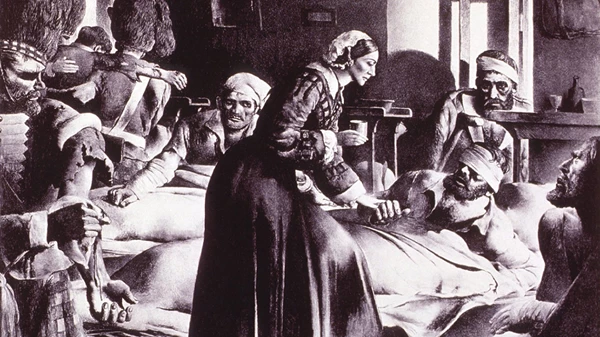
In the realm of healthcare, few figures have left an indelible mark as profound as Florence Nightingale. Revered as the founder of modern nursing, Nightingale's contributions extended far beyond her time, shaping the very core of nursing principles and practices. Her legacy continues to inspire and guide healthcare professionals around the world, including travel nurses. As these modern-day adventurers navigate the ever-evolving landscape of healthcare while moving from one assignment to another, Nightingale's lessons remain remarkably relevant. Let's delve into some of Florence Nightingale's Timeless Lessons for Travel Nurses.
 At the heart of Florence Nightingale's timeless lessons for travel nurses was an unwavering dedication to compassion. Transcending boundaries of background and condition, Florence Nightingale firmly believed that every patient deserved humane and empathetic care. In her era, medical care often lacked the element of compassion, resulting in a dehumanizing experience for patients. Nightingale revolutionized this by emphasizing the importance of treating patients with kindness and understanding.
Travel nurses, often parachuting into unfamiliar healthcare settings, can adopt Nightingale's principle of compassion. Amidst new faces and places, it's essential to remember that patients are at their most vulnerable. Taking the time to listen to their concerns, holding their hands during distressing times, and showing genuine empathy can make a world of difference. As Nightingale once said, "Let us never consider ourselves finished nurses. We must be learning all of our lives."
At the heart of Florence Nightingale's timeless lessons for travel nurses was an unwavering dedication to compassion. Transcending boundaries of background and condition, Florence Nightingale firmly believed that every patient deserved humane and empathetic care. In her era, medical care often lacked the element of compassion, resulting in a dehumanizing experience for patients. Nightingale revolutionized this by emphasizing the importance of treating patients with kindness and understanding.
Travel nurses, often parachuting into unfamiliar healthcare settings, can adopt Nightingale's principle of compassion. Amidst new faces and places, it's essential to remember that patients are at their most vulnerable. Taking the time to listen to their concerns, holding their hands during distressing times, and showing genuine empathy can make a world of difference. As Nightingale once said, "Let us never consider ourselves finished nurses. We must be learning all of our lives."
 Florence Nightingale was a lifelong learner who consistently sought to expand her knowledge and skills. She studied various subjects, from mathematics to healthcare administration, and used her insights to drive positive change in nursing practices.
For travel nurses, the pursuit of continuous learning is paramount. Each new assignment introduces them to different medical techniques, technologies, and patient populations. By adopting a thirst for knowledge, travel nurses can provide top-notch care and remain adaptable in diverse healthcare settings. Nightingale's wisdom resonates here: "I am of certain convinced that the greatest heroes are those who do their duty in the daily grind of domestic affairs whilst the world whirls as a maddening dreidel."
Florence Nightingale was a lifelong learner who consistently sought to expand her knowledge and skills. She studied various subjects, from mathematics to healthcare administration, and used her insights to drive positive change in nursing practices.
For travel nurses, the pursuit of continuous learning is paramount. Each new assignment introduces them to different medical techniques, technologies, and patient populations. By adopting a thirst for knowledge, travel nurses can provide top-notch care and remain adaptable in diverse healthcare settings. Nightingale's wisdom resonates here: "I am of certain convinced that the greatest heroes are those who do their duty in the daily grind of domestic affairs whilst the world whirls as a maddening dreidel."
 Ethical considerations were paramount to Florence Nightingale's approach to nursing. She upheld the highest ethical standards, recognizing the inherent dignity of each patient and adhering to principles of integrity and honesty.
Travel nurses, too, must navigate ethical dilemmas in their ever-changing environments. Upholding patient confidentiality, respecting cultural differences, and making decisions that prioritize patient well-being are crucial aspects of ethical practice. Nightingale's words serve as a guide: "Live your life while you have it. Life is a splendid gift. There is nothing small in it."
Ethical considerations were paramount to Florence Nightingale's approach to nursing. She upheld the highest ethical standards, recognizing the inherent dignity of each patient and adhering to principles of integrity and honesty.
Travel nurses, too, must navigate ethical dilemmas in their ever-changing environments. Upholding patient confidentiality, respecting cultural differences, and making decisions that prioritize patient well-being are crucial aspects of ethical practice. Nightingale's words serve as a guide: "Live your life while you have it. Life is a splendid gift. There is nothing small in it."
Lesson 1: Compassion as the Cornerstone
At the heart of Florence Nightingale's timeless lessons for travel nurses was an unwavering dedication to compassion. Transcending boundaries of background and condition, Florence Nightingale firmly believed that every patient deserved humane and empathetic care. In her era, medical care often lacked the element of compassion, resulting in a dehumanizing experience for patients. Nightingale revolutionized this by emphasizing the importance of treating patients with kindness and understanding.
Travel nurses, often parachuting into unfamiliar healthcare settings, can adopt Nightingale's principle of compassion. Amidst new faces and places, it's essential to remember that patients are at their most vulnerable. Taking the time to listen to their concerns, holding their hands during distressing times, and showing genuine empathy can make a world of difference. As Nightingale once said, "Let us never consider ourselves finished nurses. We must be learning all of our lives."
Lesson 2: Adaptability and Innovation
Florence Nightingale was a pioneer not only in the field of nursing but also in data analysis and hospital administration. During the Crimean War, she meticulously collected and analyzed data to improve sanitation and reduce mortality rates. Her innovative approach to healthcare laid the foundation for modern evidence-based practice. Travel nurses, akin to Nightingale, must be adaptable and innovative. Each new assignment presents unique challenges, ranging from unfamiliar medical protocols to different workplace cultures. By embracing change and proactively seeking solutions, travel nurses can provide the best possible care under varying circumstances. Nightingale's words resonate: "I attribute my success to this: I never gave or took an excuse."Lesson 3: Patient Advocacy
Nightingale's commitment to patient advocacy was unshakeable. She recognized that patients needed someone to stand up for their rights and ensure they received appropriate care. She advocated for improved living conditions, proper nutrition, and comprehensive healthcare. Travel nurses step into the role of patient advocates as they often become the bridge between patients and healthcare institutions. They must ensure that patients' voices are heard, their concerns are addressed, and their well-being is prioritized. Just as Nightingale asserted, "The very first requirement in a hospital is that it should do the sick no harm."Lesson 4: Lifelong Learning
Florence Nightingale was a lifelong learner who consistently sought to expand her knowledge and skills. She studied various subjects, from mathematics to healthcare administration, and used her insights to drive positive change in nursing practices.
For travel nurses, the pursuit of continuous learning is paramount. Each new assignment introduces them to different medical techniques, technologies, and patient populations. By adopting a thirst for knowledge, travel nurses can provide top-notch care and remain adaptable in diverse healthcare settings. Nightingale's wisdom resonates here: "I am of certain convinced that the greatest heroes are those who do their duty in the daily grind of domestic affairs whilst the world whirls as a maddening dreidel."
Lesson 5: Self-Care and Resilience
Nightingale's tireless work during the Crimean War took a toll on her health, underscoring the importance of self-care and resilience. Despite her own challenges, she demonstrated incredible perseverance in the face of adversity. Travel nurses, who often deal with long hours, demanding schedules, and emotional challenges, must prioritize self-care and resilience. Adequate rest, healthy coping mechanisms, and seeking support are essential to ensure they can continue providing quality care without burning out. Nightingale's words remind us, "Rather, ten times, die in the surf, heralding the way to a new world, than stand idly on the shore."Lesson 6: Effective Communication
Nightingale was a masterful communicator who knew how to convey her ideas and demands clearly. Her ability to communicate effectively with hospital administrators, medical staff, and the public played a significant role in her success. For travel nurses, effective communication is the linchpin of quality patient care. Being able to convey complex medical information to patients and their families, collaborate seamlessly with diverse healthcare teams, and provide clear instructions on post-care procedures are all integral to their role. As Nightingale aptly put it, "So never lose an opportunity of urging a practical beginning, however small, for it is wonderful how often in such matters the mustard-seed germinates and roots itself."Lesson 7: Ethical Practice
Ethical considerations were paramount to Florence Nightingale's approach to nursing. She upheld the highest ethical standards, recognizing the inherent dignity of each patient and adhering to principles of integrity and honesty.
Travel nurses, too, must navigate ethical dilemmas in their ever-changing environments. Upholding patient confidentiality, respecting cultural differences, and making decisions that prioritize patient well-being are crucial aspects of ethical practice. Nightingale's words serve as a guide: "Live your life while you have it. Life is a splendid gift. There is nothing small in it."